Interfaith week offers students in primary schools in England, Northern Ireland and Wales a brilliant opportunity to learn about the diverse worldviews and faiths represented in their local areas. Earlier this month, to support this initiative, the Diocesan Education Team partnered with the South Gloucestershire Advisory Council on Religious Education, alongside Longwell Green and St Chad’s Primary Schools, to host a special day focused on the theme: ‘How should we treat others?’.
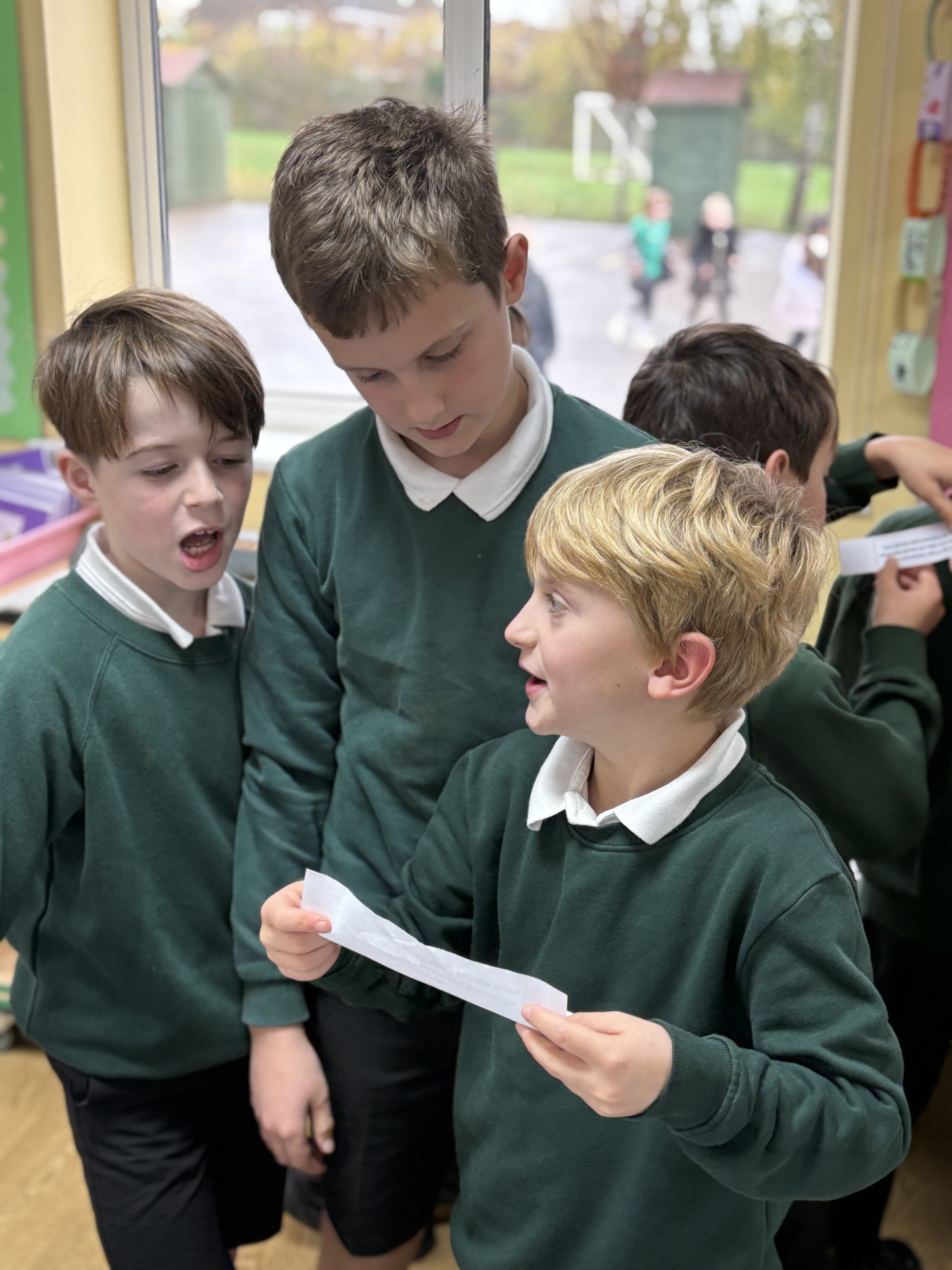
The events took place online, bringing together over 60 schools for a mixture of independent and collaborative activities.
To begin the day, all the schools came together for a live introductory session to hear about the theme and listen to the story ‘Have You Filled a Bucket Today?’ The story provided a strong foundation for the day’s learning, encouraging pupils to reflect on kindness, empathy, and the impact their actions can have on others.
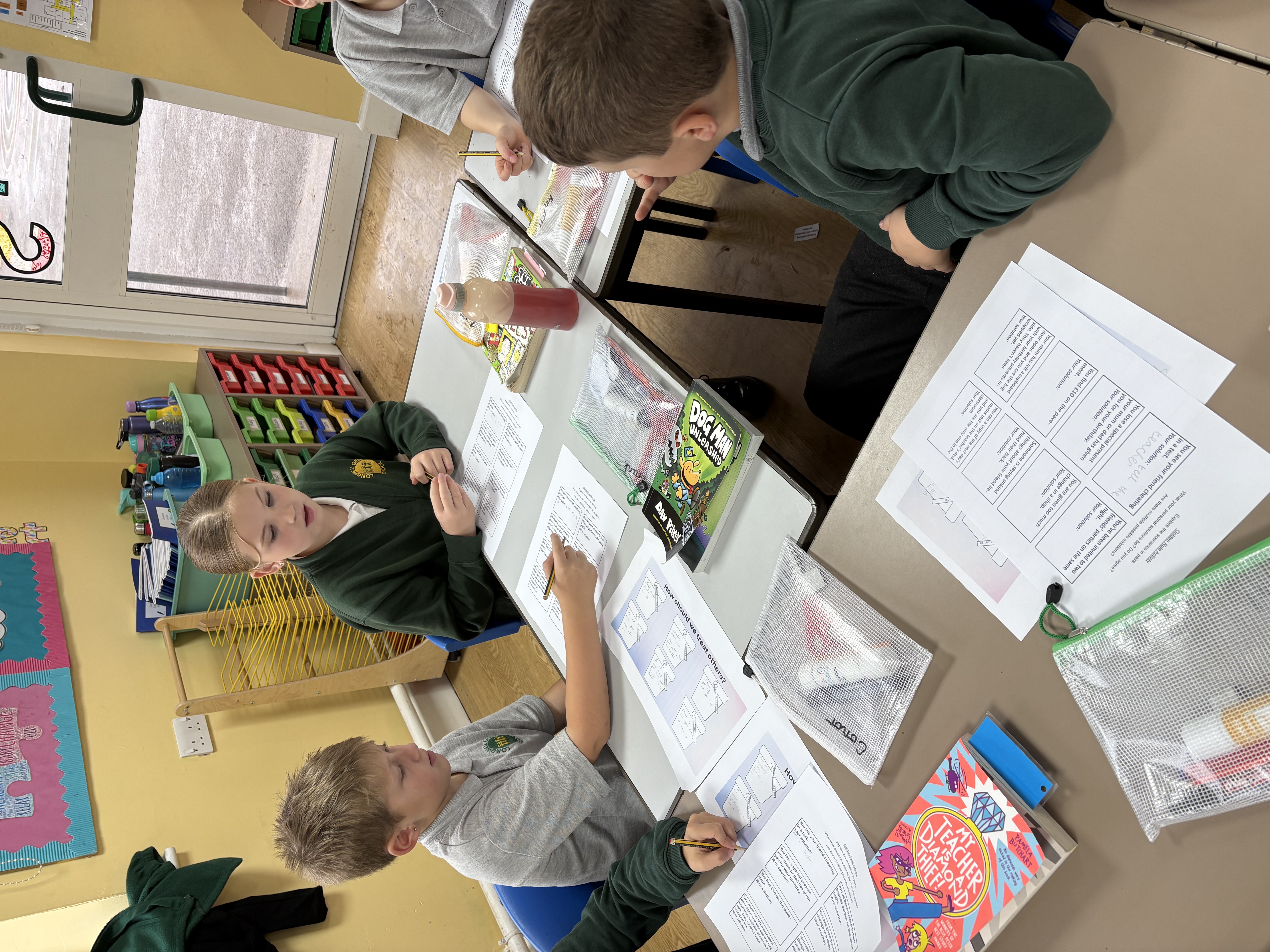
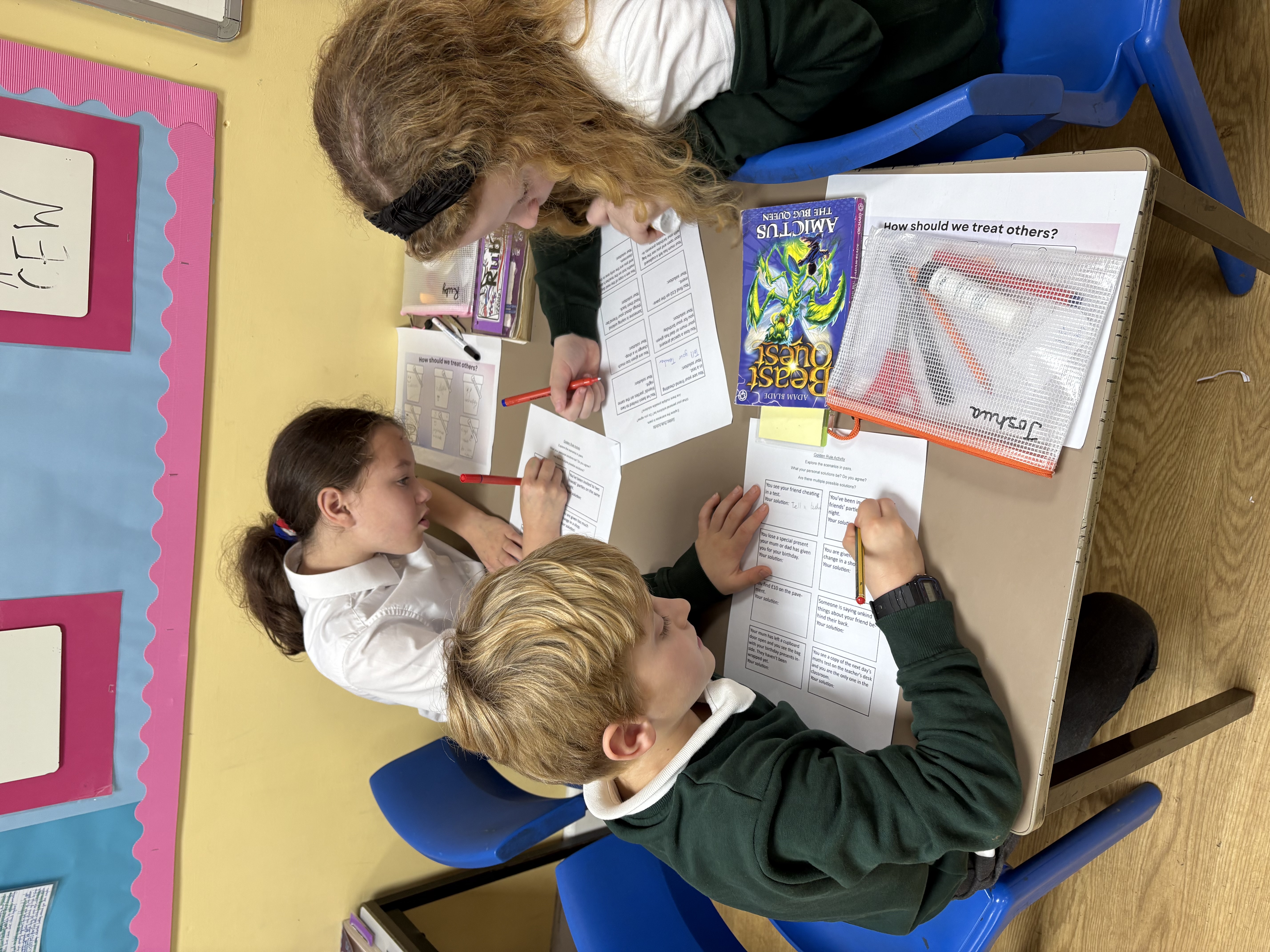
Following the introduction, pupils took part in a range of differentiated, age-appropriate activities. All pupils watched a video where five guests spoke about their religion or worldview, learning about Christianity, Judaism, Hinduism, Islam and Humanism. Whilst watching the video, each child completed a “bucket” for each speaker, drawing and recording how each religion or worldview teaches people to treat others. The activity allowed pupils to identify both similarities and differences while recognising shared values such as respect, compassion, and fairness.
The day concluded with a live closing session, where schools were able to see the guest speakers together and listen as they responded to questions asked by pupils during the day. The session provided valuable opportunities for deeper understanding and clarification. Schools were also invited to share and celebrate their learning, including artwork, reflections, and examples of how pupils intend to treat others.
Teachers commented that the day was a real success and offered pupils a meaningful opportunity to learn from different religions and worldviews, develop empathy and respect, and reflect on how they can positively impact others within their own communities.