"Spirituality is like a bird;
if you hold it too tightly, it chokes; if you hold it too loosely it flies away.
Fundamental to spirituality is the absence of force." - Rabbi Hugo Gryn

Spirituality is about our relationship with God and, like all relationships, it needs space to grow and time to allow for exploration and deepening. For this relationship to shape and form us, it also requires commitment and structure. Holding these together helps us remain open to God while continuing to grow with intention.
There are many ways to go deeper with God and, as a Diocese, we seek to encourage a range of pathways that support this deepening relationship.
Some suggestions are:
Spiritual direction
Spiritual direction is an ancient practice of spiritual accompaniment rooted in Scripture and the desert Fathers and Mothers, which at its heart is about creating intentional space with a trusted soul friend to explore and grow your relationship with God, yourself, others, and the world around you.
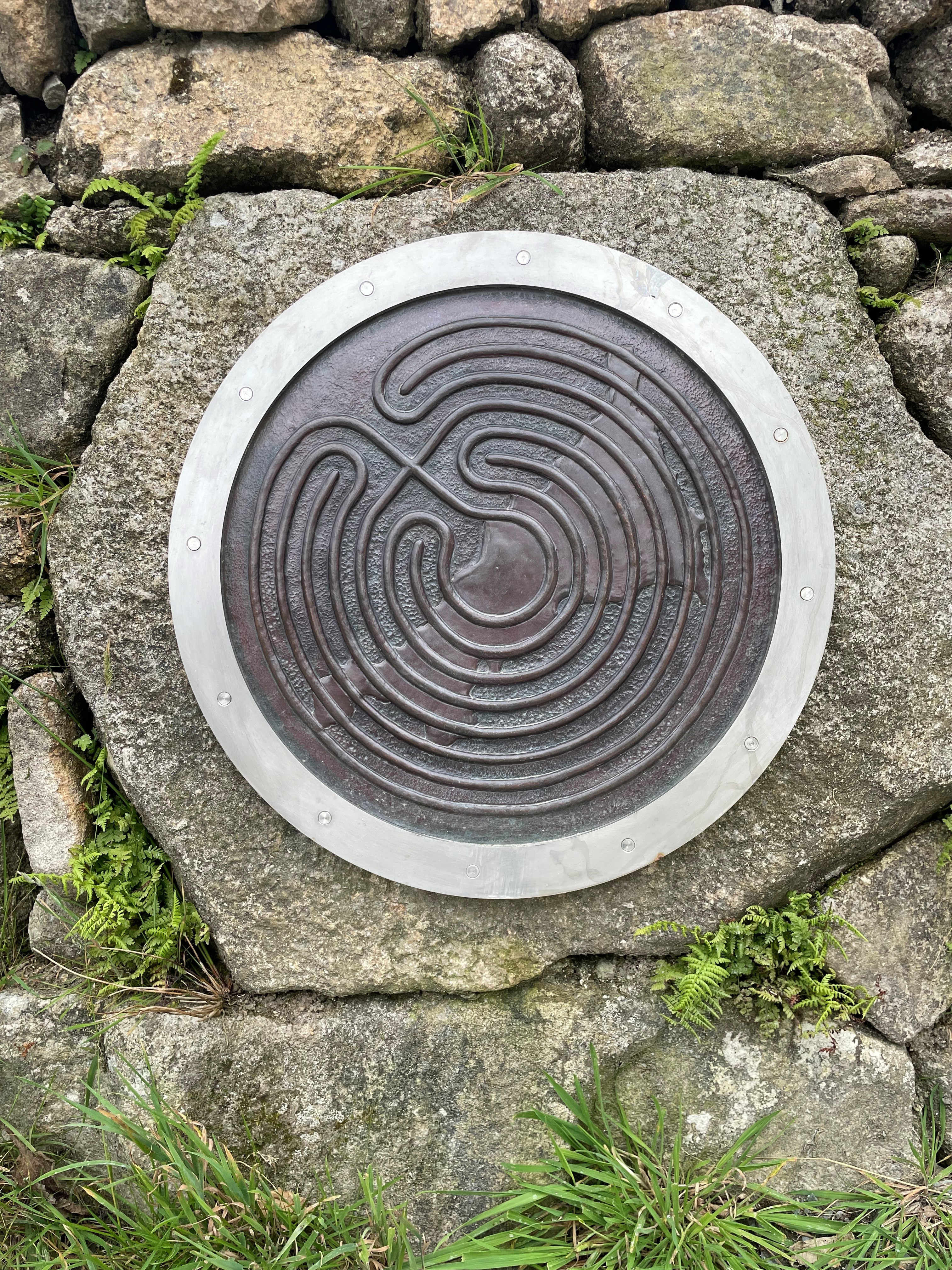
In today’s busy and often demanding world spiritual direction offers an opportunity to pause, notice, reflect and listen more deeply to what is happening within and around you. Through regular conversation with a trained spiritual director, you are supported to discover God’s presence in everyday life and discern God’s invitation to you, shaping your ministry, relationships, choices, and engagement with the wider world. This sacred space is free from judgement and expectation offering a place where you can come as you are bringing whatever is on your heart, as you seek to discover and become more fully who God is creating you to be. A spiritual director is not there to provide answers, but rather to pray for you, listen attentively, accompany you on your journey, and support your discernment of, and response to, God’s activity in your life. Meetings usually take place every 6-8 eight weeks, either face-to-face or online.
Finding a Spiritual Director
The Diocese of Bristol can help you in finding a spiritual director and you are invited to do so by filling in the Spiritual Direction Enquiry Form and then the Diocesan Adviser for Spiritual Direction, Joanna Gallant, will help you to find an appropriate spiritual director.
Spiritual direction enquiry form
Due to the current limited availability of the number of spiritual directors in the region, the Diocese of Bristol advisers need to prioritise connecting clergy within the Diocese of Bristol with spiritual directors. They will do their best to signpost any other enquiries and help as best they can. But we also recommend the Retreat Association for making connections with directors. If you are a student at Trinity College, please discuss your requirements for a spiritual director with your Tutor or the Trinity College Chaplains.
Could you be a Spiritual Director?
In January 2027, the Diocese is launching 'Sanctum', a 1-year formation and learning pathway for those exploring a call to the ministry of spiritual direction. The course is ecumenical, welcoming both lay and ordained Christians—pastoral assistants, youth ministers, chaplains and parish leaders; along with those who notice that people naturally turn to them for attentive listening and spiritual support.
Quiet Days and Retreats
“Are you tired? Worn out? Burned out on religion? Come to me. Get away with me and you’ll recover your life. I’ll show you how to take a real rest. Walk with me and work with me—watch how I do it. Learn the unforced rhythms of grace. I won’t lay anything heavy or ill-fitting on you. Keep company with me and you’ll learn to live freely and lightly.” - Matthew 11:28-30 The Message
Quiet Days
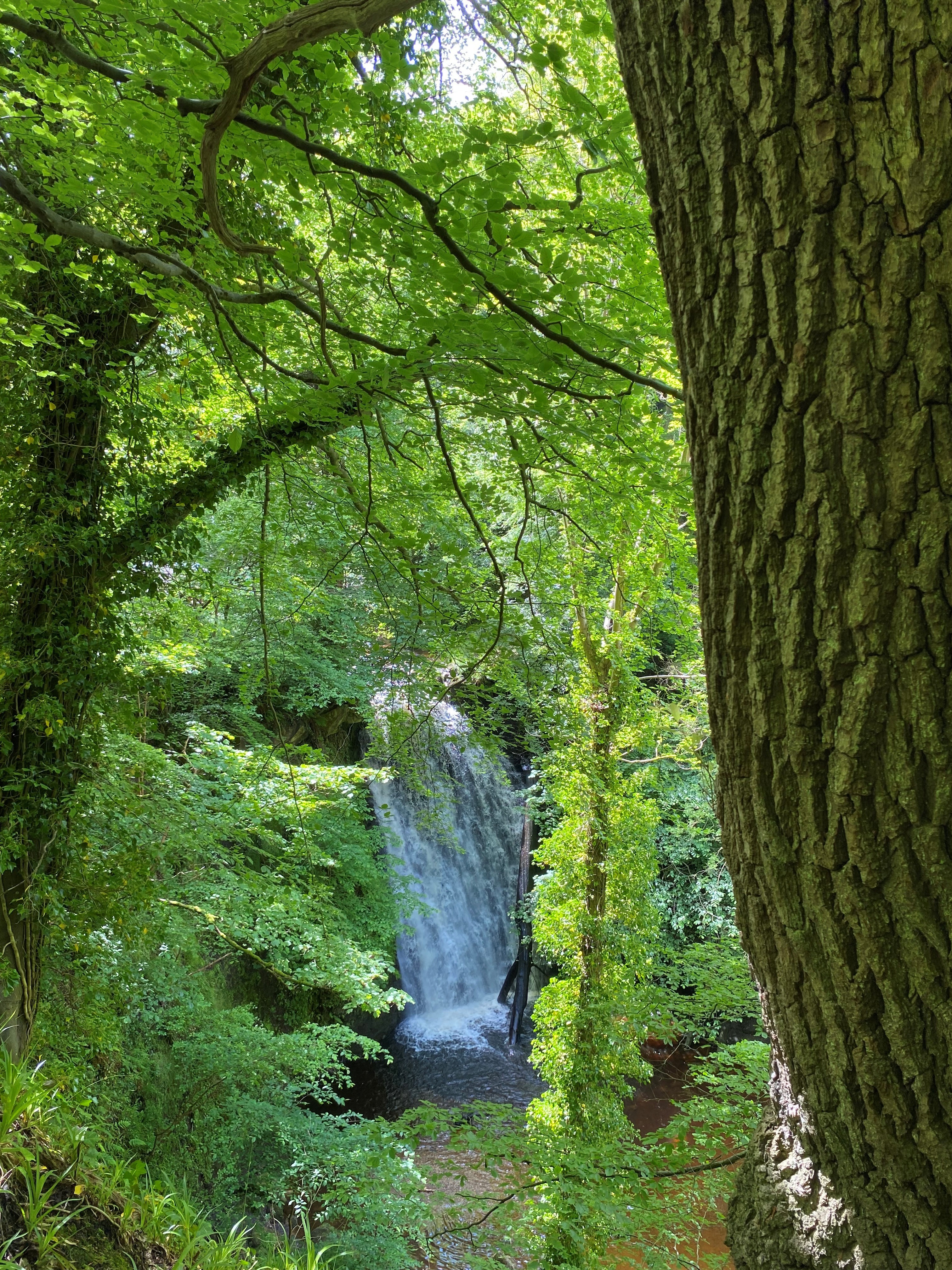
Quiet days are an easy way to take space and time to rest, reflect, and reconnect with God, ourselves and creation. This can be done at home but is often most fruitful when we get away to a different space. That may be a retreat house, riverbank or garden, somewhere we won’t be distracted from taking time with God, and it’s often helpful to take a bible and a journal to jot down what you are noticing. Equally, it can be helpful to join a guided Quiet Day, where an experienced guide leads the day exploring a particular theme with short times of input and suggestions for reflection during the quiet times. The Diocesan Retreat House, Elsie Briggs House of Prayer, Bristol, hosts The Well who run a varied programme of quiet days with the option of a 1:1 conversation with a spiritual guide to help you reflect upon your time with God.
You may also be looking to offer a Quiet Day or Quiet Morning for your team or members of your church and there are a number of people within the diocese who are experienced in leading quiet days.
Training to lead Quiet Days is also organized by the Diocesan Adviser for Spiritual Direction, Revd Joanna Gallant joanna.gallant@bristoldiocese.org
Retreats
If a longer time away from the usual pace and demands of life is desired a retreat may be just the thing you need. There are many different retreats available, some with a specific theme led by a speaker; others where you can just have space to eat, sleep, enjoy creation, be creative, read and pray, often with the option to speak with a spiritual guide or chaplain; and there are guided retreats meeting 1:1 with a spiritual director for around 30 -60 minutes each day, to offer some focus for each day.
The Retreat Association offers a guide to the many retreat houses and different types of retreats available.
Ignatian Guided Retreats can be anything from 3 to 30 days and draw upon the Spiritual Exercises of Ignatius of Loyola, which are steeped in the scriptures, and the daily 1:1 meeting with an Ignatian guide enable prayerful noticing between the touchstones of one’s own life and that of Jesus’. (The Ignatian Exercises can also be undergone with a guide in daily life meeting weekly in person or on line)
Funding for Ignatian retreats may be available from: The Society of Retreat Conductors. Please apply at least three months before the retreat begins. For an application email: redingtonkathy@hotmail.com
Sheldon Heart & Soul for Ministry offer specific space and retreats for clergy alongside their broader programme, including a Sheldon 10,000 mile service all. Clergy and LLM’s can benefit from up to a 20% discount on some retreats.
Please see our Retreats for Ministers page for more suggestions.
Clergy are entitled to an annual retreat as part of their ministry in addition to annual leave, and PCC’s are encouraged to support clergy in making their annual retreat by contributing towards the cost and ensuring cover is provided to also allow clergy the uninterrupted time and space.
Rhythm of life
"I am the vine; you are the branches. Those who abide in me and I in them bear much fruit, because apart from me you can do nothing." John 15:5

When Jesus called his disciples to follow him, he was inviting them into a way of life shaped by his presence. They learned from his teaching and healings, but also from the simple, everyday ways he lived, prayed, rested, worked, ate, celebrated and related to those around him. It is worth noticing how much of their formation happened in the ordinary spaces between miracles and teaching: walking dusty roads, talking together, camping, praying and sharing meals. In those unhurried moments, they had time to ask questions, to wonder, to discuss and reflect upon what it meant to follow him.
Jesus calls us as whole people to abide in him and follow him with our body, mind, soul, relationships, work and daily choices. A Rhythm of Life can offer a gentle and helpful framework for this, much like the support a vine grower gives to a vine so that it can grow and bear fruit. At its best, a Rhythm of Life is not another pressure or expectation. It is a framework for freedom: a set of life-giving boundaries with plenty of room for flexibility, individuality and grace. A good Rhythm of Life serves us best when it is both achievable and stretching, helping to deepen our love for God and ourselves, while also enabling that love to overflow towards our neighbour and God’s creation.
Exploring your own Rhythm of Life
If you think a Rhythm of Life may be something you would like to explore, you can find out more here.
A good starting point is to reflect gently on questions such as:
- What does following Jesus already look like in the different areas of my life?
- What helps my relationship with God to grow?
- What gets in the way, and where might God be inviting me to make space?
You may find it helpful to explore what you include in your Rhythm of Life with a spiritual director, church leader or trusted companion.